Greater control over how energy, land, data, and resources are planned, developed, owned, and governed — retaining value, building local capacity, and keeping long-term benefits and decisions within the Nation.
Sovereignty means decisions about energy, land, data, and resources rest with the Nation — planned, developed, owned, and governed on its own terms. We help each community understand its options and build a path forward that fits its governance and values.
Li Troo Doo recognizes that Indigenous sovereignty is inherent. It is grounded in the authority of First Nations, Métis, and Inuit Peoples to determine their own priorities, govern their lands and resources, protect their cultures and knowledge, and shape their futures on their own terms.
We recognize that every Nation and community has its own governance structures, laws, protocols, histories, priorities, and understanding of sovereignty. Our role is not to define those priorities or make decisions on behalf of a community. Our role is to listen, provide independent and informed advice, and strengthen the community's ability to evaluate opportunities and make decisions based on its own values and long-term goals.
The authority and capability to determine how energy is produced, owned, governed, delivered, and used within the community.
Community control over how its energy data, knowledge, information, and cultural insights are collected, interpreted, stored, accessed, shared, and protected.
The ability to structure projects that create lasting community ownership, revenue, employment, skills, and economic opportunity.
Protecting lands, waters, resources, and future generations through decisions informed by community values and Indigenous knowledge.
Ensuring communities have the information, tools, and independent advice needed to assess risks, benefits, partnerships, and long-term responsibilities.
Li Troo Doo Group acknowledges that Indigenous data, knowledge, language, and cultural expressions belong to the First Nations, Métis, and Inuit peoples from whom they originate — not to the projects, platforms, or partners that touch them.
In our work with Indigenous communities, we are guided by the principles of OCAP® — Ownership, Control, Access, and Possession — for First Nations, and OCAS — Ownership, Control, Access, and Stewardship — for Métis communities, alongside the laws, protocols, and responsibilities of each Nation we work with.
Indigenous Peoples hold the authority to decide how their data is collected, used, shared, stored, and protected — on every project, at every stage, now and into the future. We build that authority into how we work: asking before assuming, listening before advising, and ensuring that what a community shares with us remains theirs to govern.
This is not a policy we adopted. It's a responsibility we carry.
Li Troo Doo is committed to working in ways that respect Indigenous rights, community-defined governance, cultural protocols, data governance principles, and intergenerational responsibilities. We seek to build relationships based on trust, transparency, reciprocity, and accountability — not extraction, assumption, or dependency.
Our goal is not simply to deliver a plan or complete a project. It is to help communities retain control of their information, strengthen their internal capability, make informed decisions, and turn their vision for sovereignty into practical, community-led action.
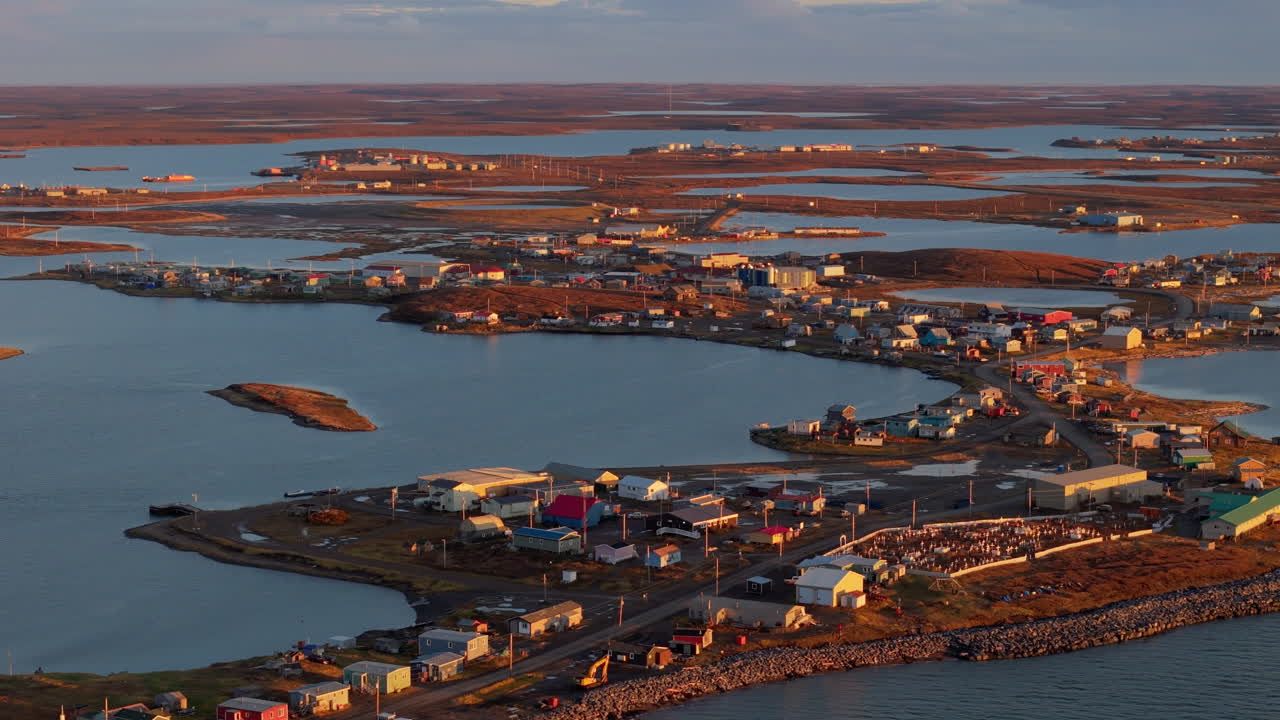
We start with the Nation's goals, governance, values, lands, and existing infrastructure — not a predetermined technology. Technical and financial information becomes clear, practical advice; costs, risks, funding, ownership, and long-term operations are weighed together for a Nation-led path that retains economic value in the community.

Practical support across four areas, scoped to each Nation’s priorities.
We live and work on the unceded, ancestral, and traditional territories of the x̱ʷməθkʷəy̓əm (Musqueam), Skwx̱wú7mesh (Squamish), and səlilwətaɬ (Tsleil-Waututh) Nations, and honour the land as a relationship inherited from our ancestors and held in trust for the next seven generations.