Plan. Deliver.
Perform. Grow.
Independent advice and experienced leadership for energy and infrastructure projects.
Li Troo Doo helps Indigenous communities, developers, utilities, municipalities, and contractors move from early strategy through delivery and long-term performance.

Two paths. One independent advisor.
Take control of your energy future
Advance energy sovereignty through independent, community-aligned advice that helps your Nation make informed decisions, protect its interests, and build the capability to lead.
Explore Energy Sovereignty →Turn energy strategy into performance
Move complex projects forward with practical technical, commercial, delivery, and operational leadership.
Explore Advisory Services →Support across the full project lifecycle.
From strategy and delivery to lasting performance, stronger capability and new opportunities.
Strategy, feasibility, and business cases that define the right path forward.
Owner-side leadership that turns strategy into coordinated, buildable action.
Commissioning, optimization, and governance that sustain performance.
Capability and partnerships to pursue and lead what comes next.
Experience grounded in delivery.
Where people, ideas, and energy converge.
Li Troo Doo is an energy and infrastructure advisory practice founded by Michelle McLarty, P.Eng., M.E.B.
The practice helps Indigenous communities, developers, utilities, municipalities, institutions, and technical organizations make better energy decisions, move complex projects forward, and build the capability required to sustain long-term results.
Li Troo Doo works independently of technology providers, utilities, developers, and equipment suppliers. The advice is shaped around the client’s goals, the realities of the project, and the people and places the infrastructure will serve.
The Name
In Michif, the language of the Métis, a watering hole is a natural gathering place — where people, animals, land, and water converge.

That idea is central to Li Troo Doo. Complex energy and infrastructure projects rarely succeed through technical expertise alone. They require different perspectives, priorities, disciplines, and ways of knowing to converge around a shared path forward.
Li Troo Doo was created to be that meeting place: where community knowledge, technical experience, commercial understanding, and practical delivery converge to create solutions that are relevant, durable, and capable of moving into action.
The Symbol
At the centre of the Li Troo Doo mark is an infinity symbol, drawn from the Métis Nation flag.
It represents the joining of different ways of knowing, the strength created when people and ideas converge, and the continuity of relationships and responsibilities across generations.
The floral beadwork woven through the symbol reflects Métis artistry, identity, and connection to the land. It is a reminder that strong work is carefully considered, grounded in place, and created to last.
The mark is more than a logo. It reflects the way Li Troo Doo approaches every engagement: collaboratively, thoughtfully, and with respect for the long-term impact of the decisions being made.


Rooted in Métis values
A watering hole is a gathering place. Li Troo Doo works with the people who will live with the decisions, operate the systems, carry the responsibilities, and benefit from the outcomes. Solutions are developed with clients and communities, not simply delivered to them.
Energy and infrastructure decisions shape land, water, communities, and future generations. Li Troo Doo supports solutions that respond to local conditions, protect long-term interests, and recognize that infrastructure must serve more than an immediate technical requirement.
Resilient systems are not only efficient. They are understandable, adaptable, governable, and capable of being sustained over time. Li Troo Doo helps clients build the knowledge, systems, partnerships, and internal capability required to manage change and lead what comes next.
"Of all the things on earth, the motherland is the most important and sacred to us because we inherited it from our ancestors."
Meet Michelle
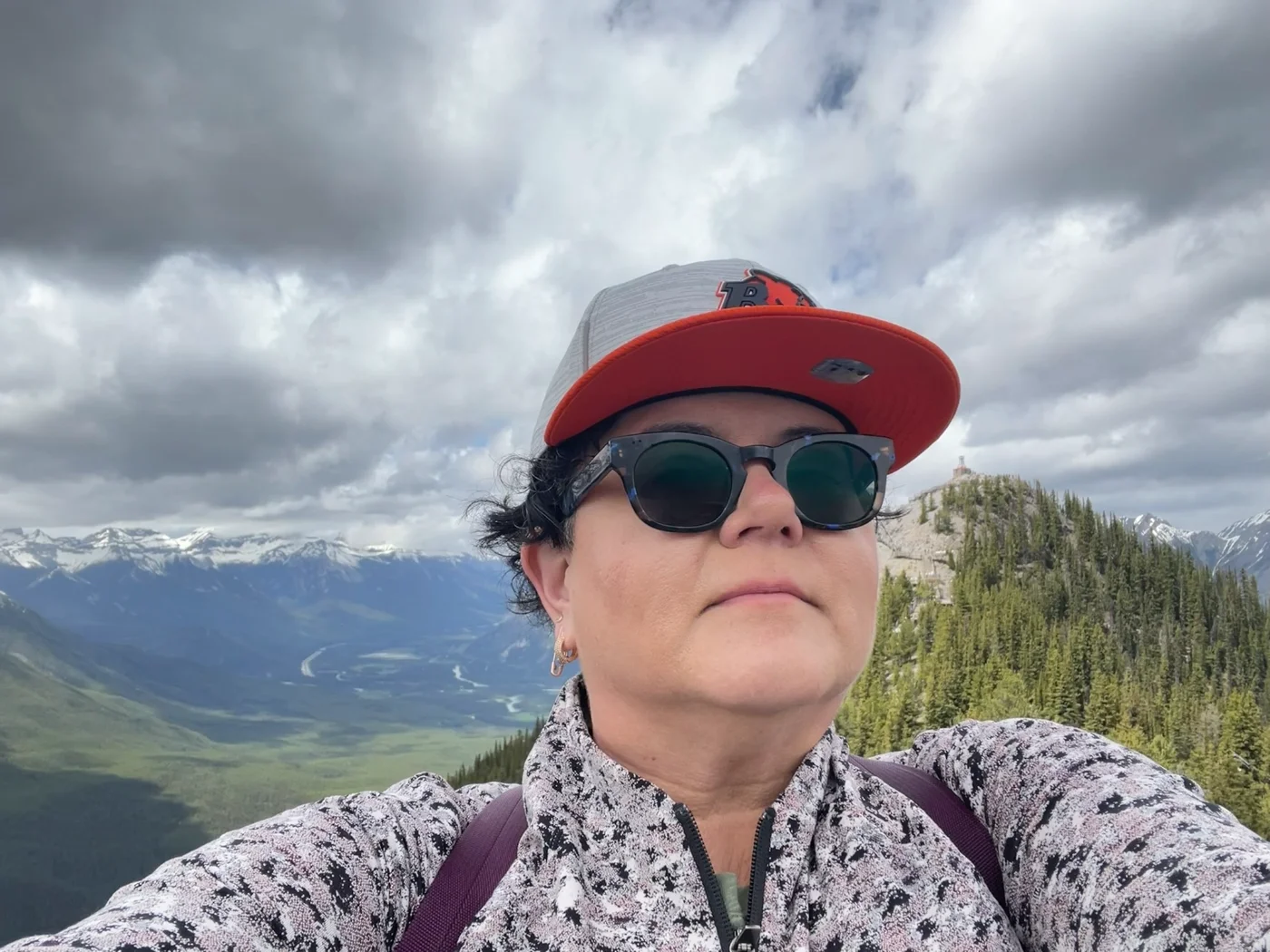
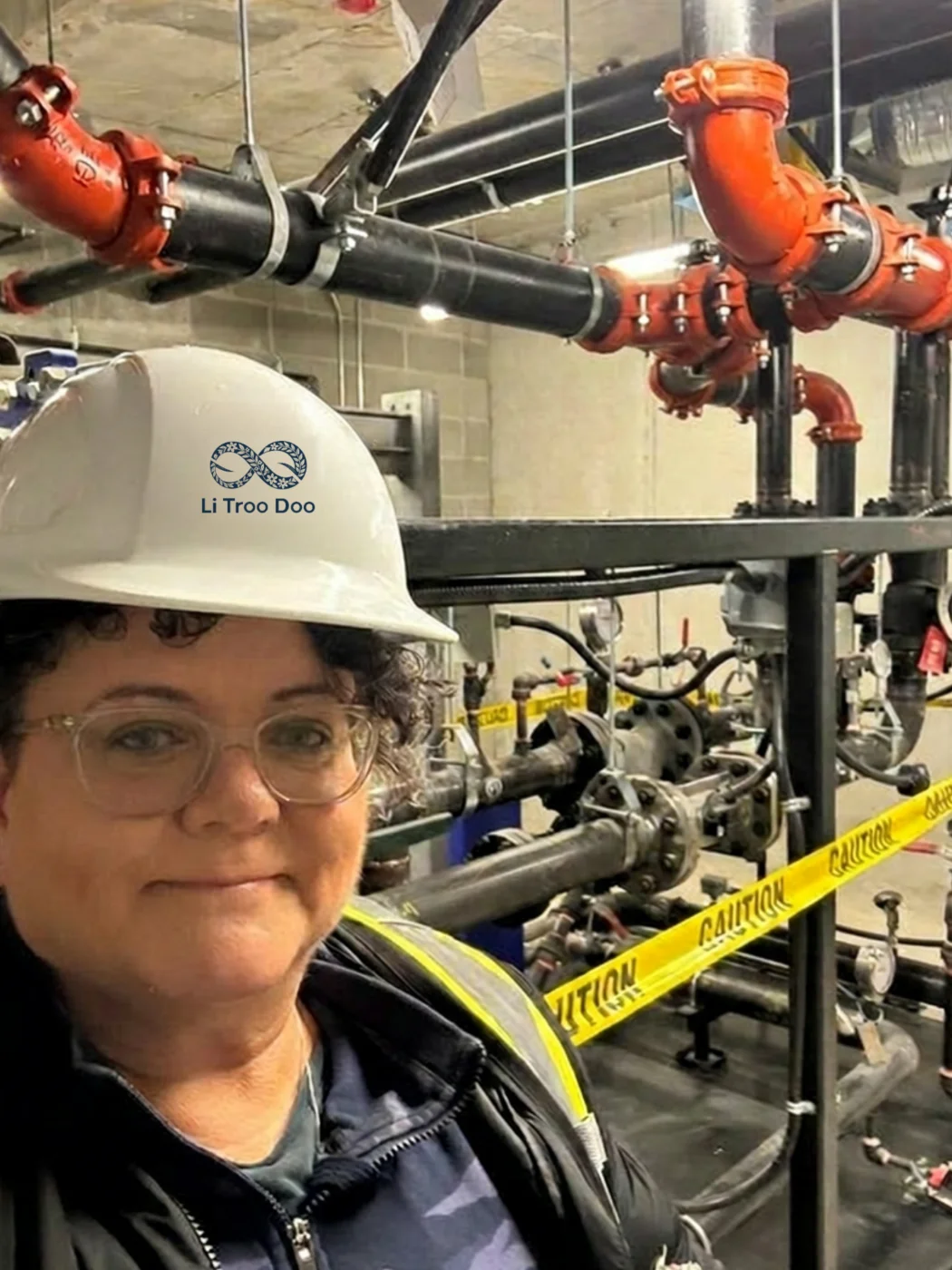
Michelle McLarty, P.Eng., M.E.B., is a Red River Métis engineer with more than 25 years of experience turning complex energy and infrastructure ideas into practical, high-performing solutions.
Her work spans the full project lifecycle — feasibility, business planning, and regulatory approvals through design, construction, commissioning, operations, and expansion.
She has led as an project manager, utility executive, owner’s representative, operator, business-development leader, and advisor — so she sees how early decisions shape cost, risk, delivery, governance, and long-term performance.
And she brings more than technical expertise. Michelle knows what it takes to finance, approve, build, operate, improve, and carry a project forward.
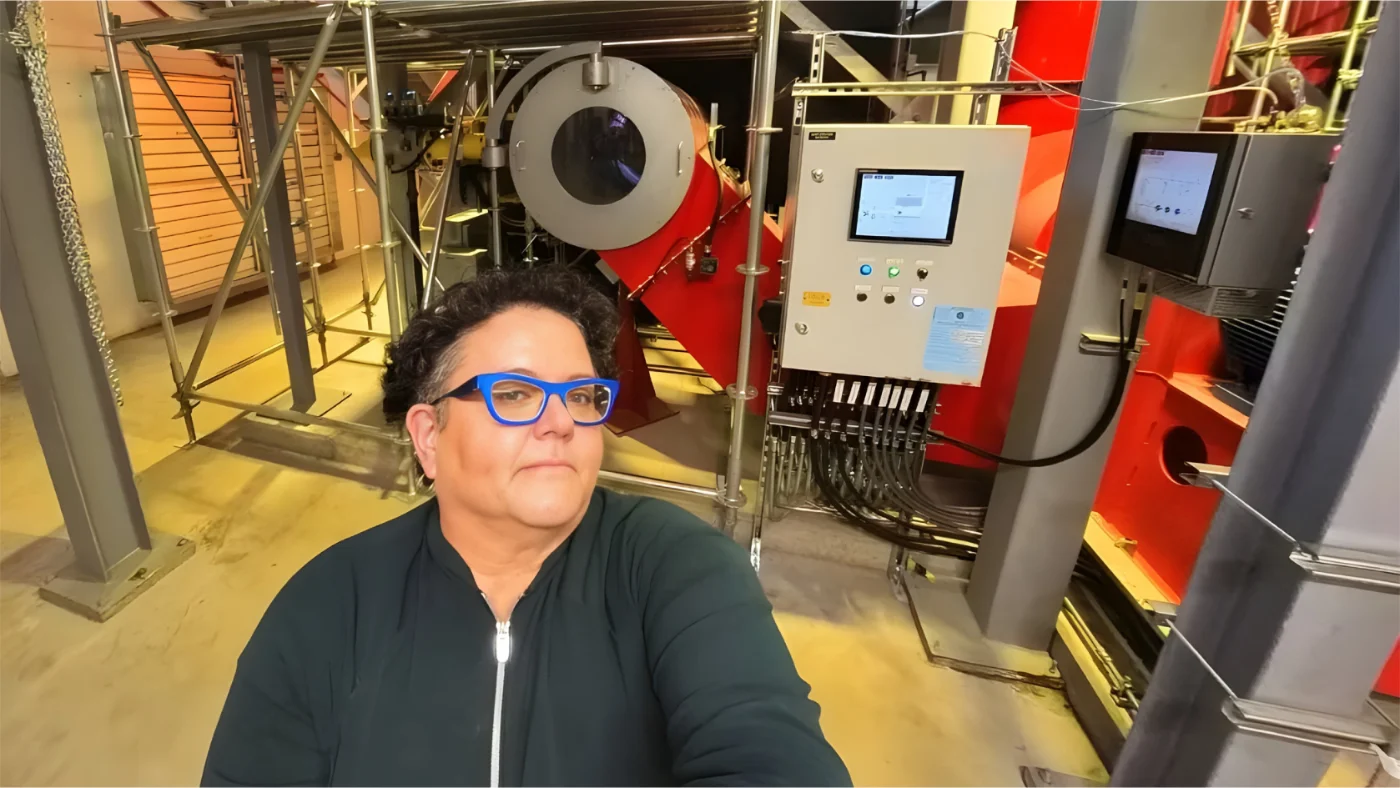
Experience grounded in implementation
Li Troo Doo brings together technical, commercial, regulatory, operational, and organizational thinking. This means looking beyond the immediate engineering question to understand:
The result is advice grounded in what works in the field, not only what appears sound on paper.
How Li Troo Doo works
Recommendations are based on the client’s objectives and project realities, not on a preferred technology, supplier, ownership model, or predetermined solution.
The strongest solutions are developed by bringing together the right people, knowledge, and perspectives. Li Troo Doo works closely with clients, communities, consultants, contractors, operators, utilities, and specialist partners.
Every engagement is connected to implementation. Strategies, studies, and recommendations are developed with real-world cost, approvals, constructability, operations, governance, and organizational capacity in mind.
Knowledge transfer is built into the work. Li Troo Doo helps clients strengthen the ability to evaluate options, participate in delivery, oversee partners, operate systems, govern assets, and make future decisions with greater confidence.
A certified Lean Black Belt approach brings structure to every engagement — reducing rework, improving flow, and creating clearer, repeatable methods for delivery, operations, and pursuits.
Clients work directly with Michelle, who stays closely involved in the decisions, coordination, and delivery of the work and brings in specialist expertise when the project requires it.
Qualifications behind the work
Together, these qualifications define Michelle’s approach: engineering rigour, business and environmental insight, and Lean discipline focused on continuous improvement. The result is clearer decision-making, stronger workflows, less waste and rework, and practical, repeatable approaches to strategy, project delivery, operations, and business growth.
The purpose
Li Troo Doo was created to help clients and communities move from uncertainty to informed decisions, from strategy to implementation, and from delivered infrastructure to lasting performance.
For Indigenous communities, that includes supporting greater control over energy decisions, stronger internal capability, community-aligned partnerships, and practical progress toward energy sovereignty.
For developers, utilities, municipalities, institutions, and technical organizations, it means clearer strategy, stronger integration, reduced delivery risk, better-performing systems, and the capability to take on what comes next.
The goal is not simply to complete a study or deliver a project. It is to create infrastructure, knowledge, and relationships that remain useful long after the engagement is complete.
Let’s start with the challenge in front of you.
Whether you are exploring a community energy opportunity, advancing complex infrastructure, preparing for construction and operations, or building a new partnership or pursuit, Li Troo Doo can help define a practical path forward.
Start a conversation →Two decades across the full energy infrastructure lifecycle.
One lifecycle, end to end: Plan, Deliver, Perform, Grow.
Turning early questions into build-ready decisions.
Independent feasibility, business planning, regulatory strategy, and investment analysis that help clients and communities understand their options, retain control of key decisions, reduce risk, and move viable energy projects toward implementation.
Systems moved from study, uncertainty, or delay into a defined delivery path — and optimized for value, constructability, and the underlying investment decision.
5+ more I initiated, now advancing under others
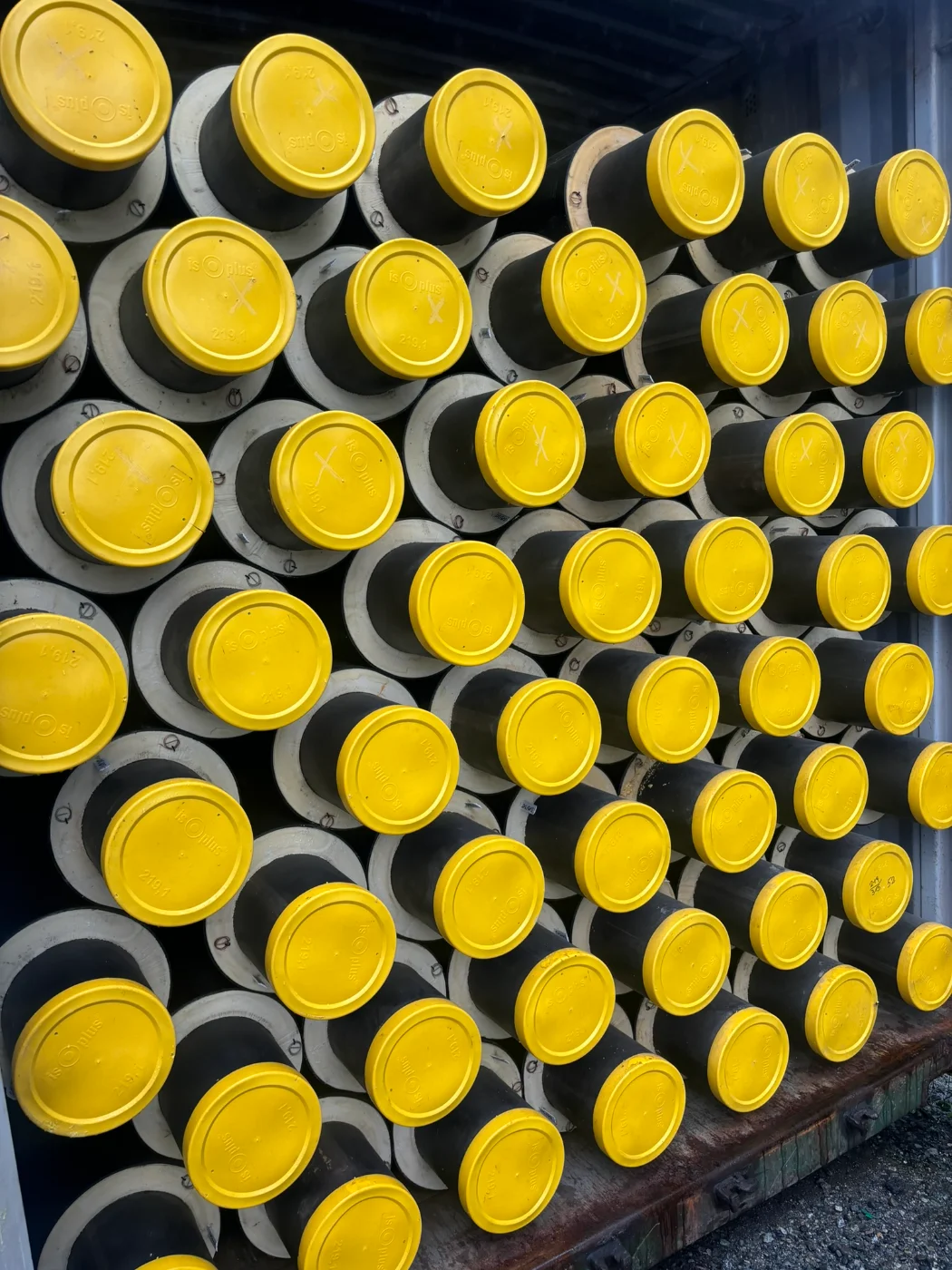
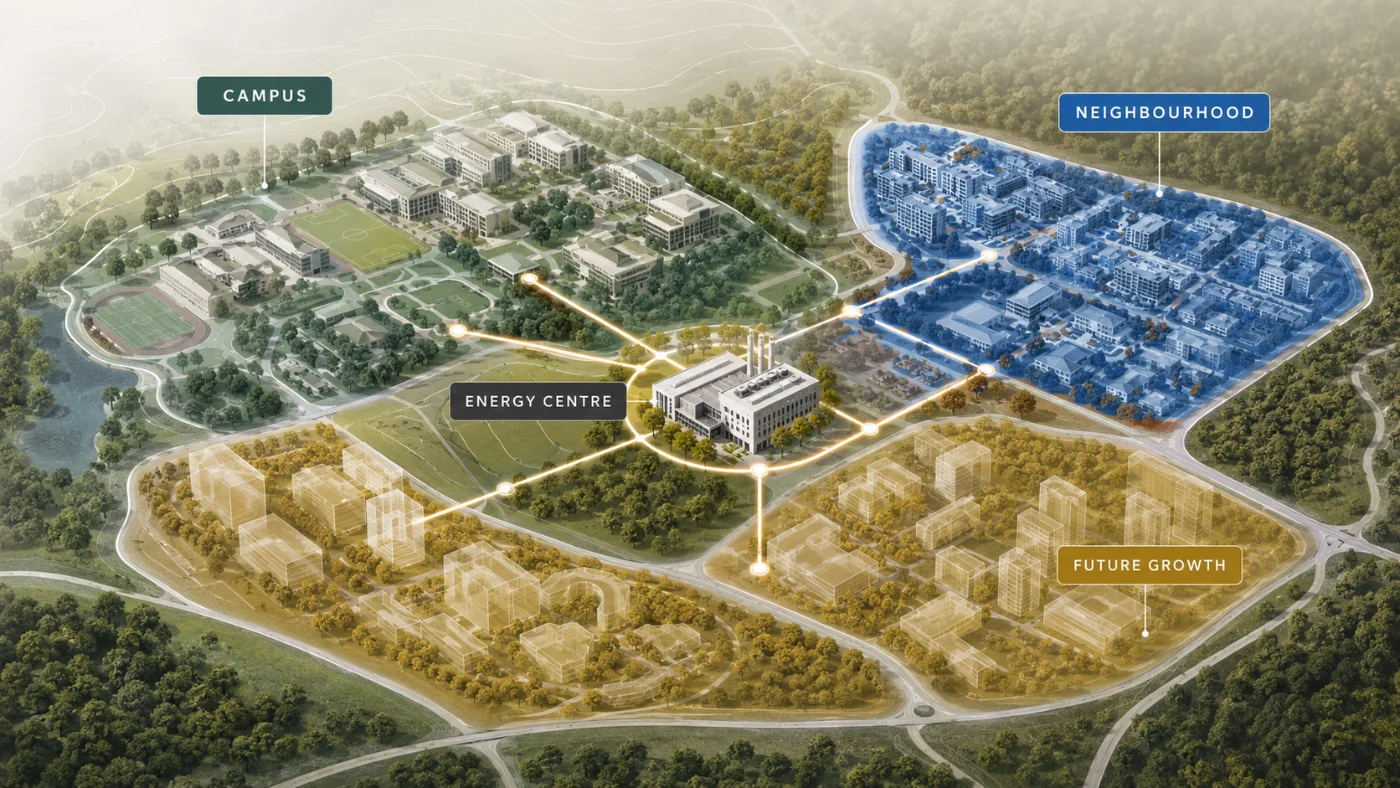
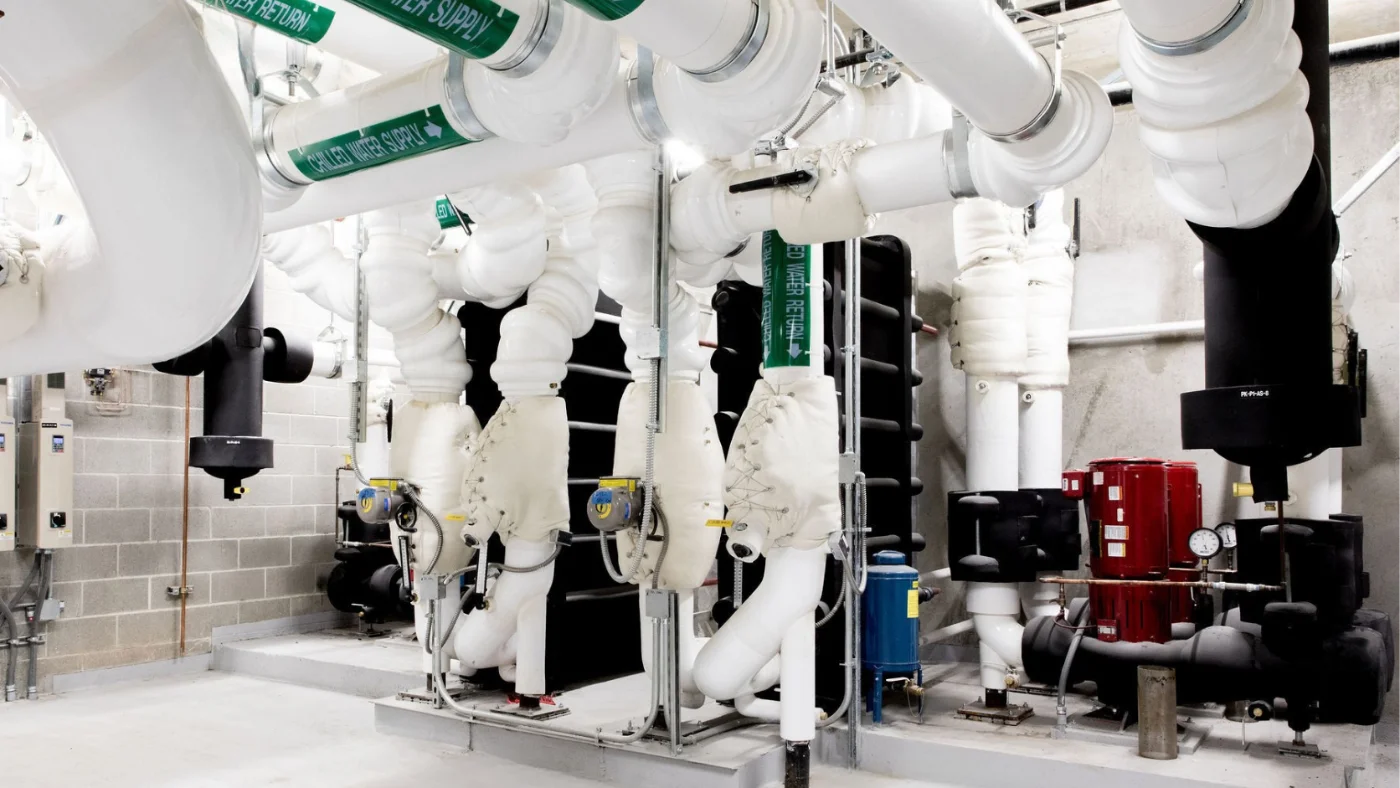
UBC Neighbourhood District Energy
Feasibility, contract negotiation and BCUC CPCN lead — secured CPCN approval for the first phase of an institutional utility.
Northeast False Creek Low-Carbon Energy
CPCN regulatory and municipal integration lead — a new hot-water system integrated with an existing urban steam utility. BCUC approval secured.
Burnaby District Energy
Owner-side feasibility and design optimization. Coordinating specialist district energy expertise cut projected capital cost by more than 20% while preserving reliability and future ownership flexibility.
Municipal Utility
A complex, multi-year business case for a municipal district energy project. Led the final charge to get the business case to a viable place, negotiated the contract, and saw the project implemented — it has continued to grow since.
Building-scale low-carbon, renewable, and compliance strategies that freed value and cut energy use without compromising architectural intent.
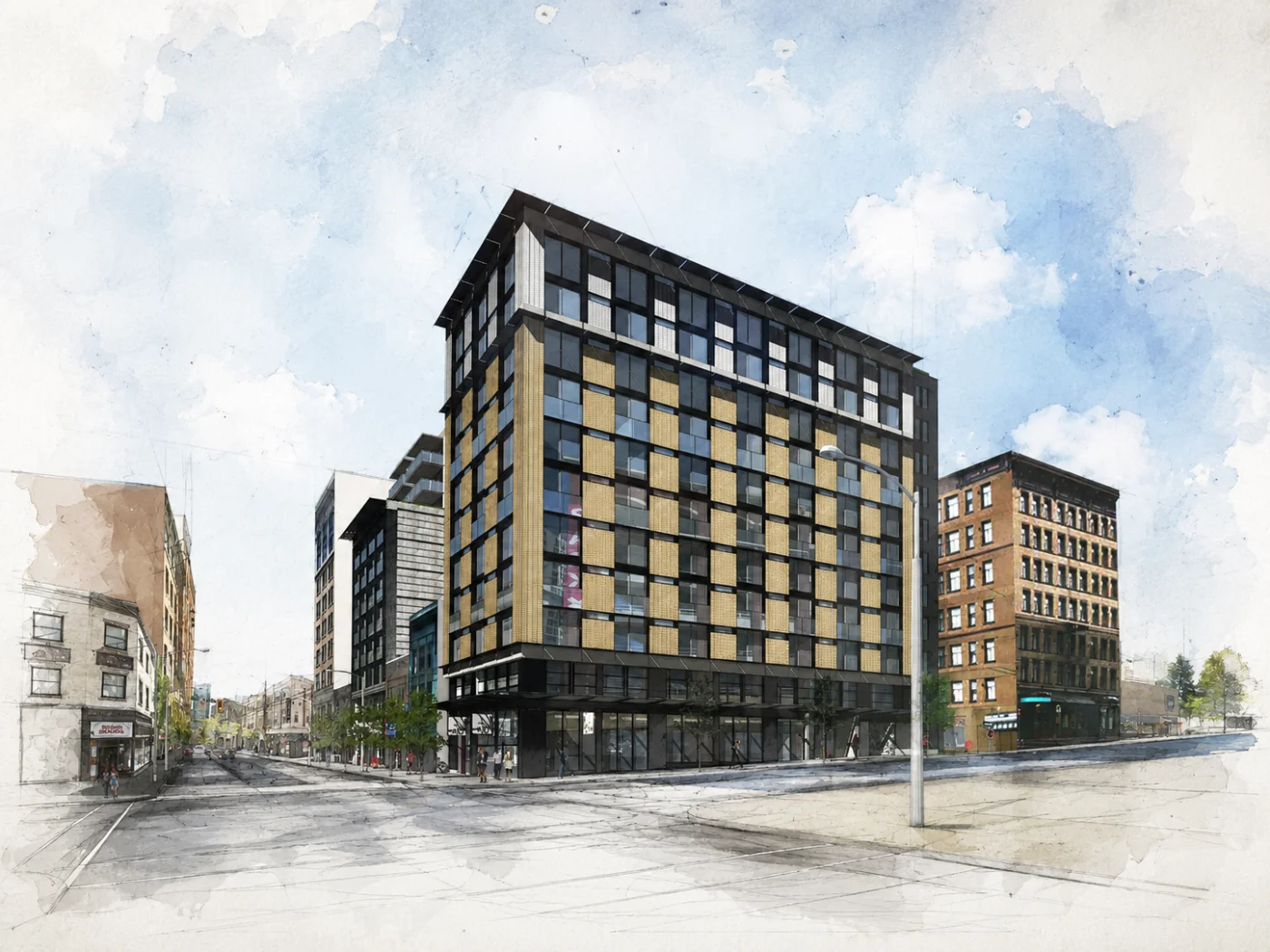
Alternative Low-Carbon Compliance Path
Led evaluation of an alternative to the City's district-energy-ready requirement for a constrained downtown tower, where the original path reserved ~800 sq ft of parkade for a future energy transfer station. Demonstrated a VRF-based system would exceed the City's carbon-performance requirement from day one — eliminating the connection requirement and releasing the reserved parkade for building use.
Step Code 3 — Complex Residential
A coordinated mechanical + envelope package — balancing high-performance envelope with heat-pump HVAC — achieved Step Code 3 without compromising architectural intent or over-spending on disproportionate upgrades.
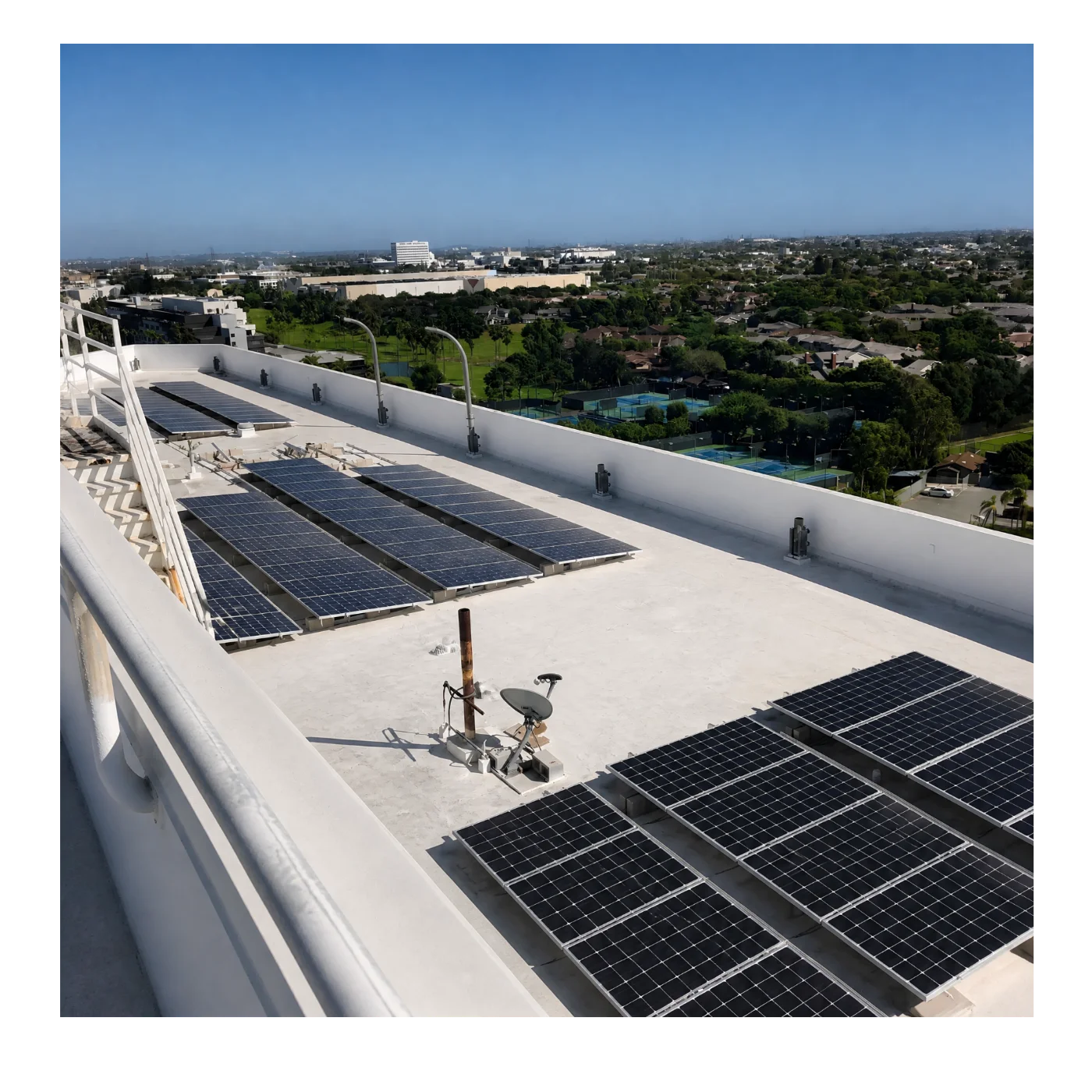
Rooftop Solar PV
Led a 250 kW multi-building rooftop install from feasibility through implementation — reducing purchased electricity by ~15%, with battery storage scoped as a future opportunity.
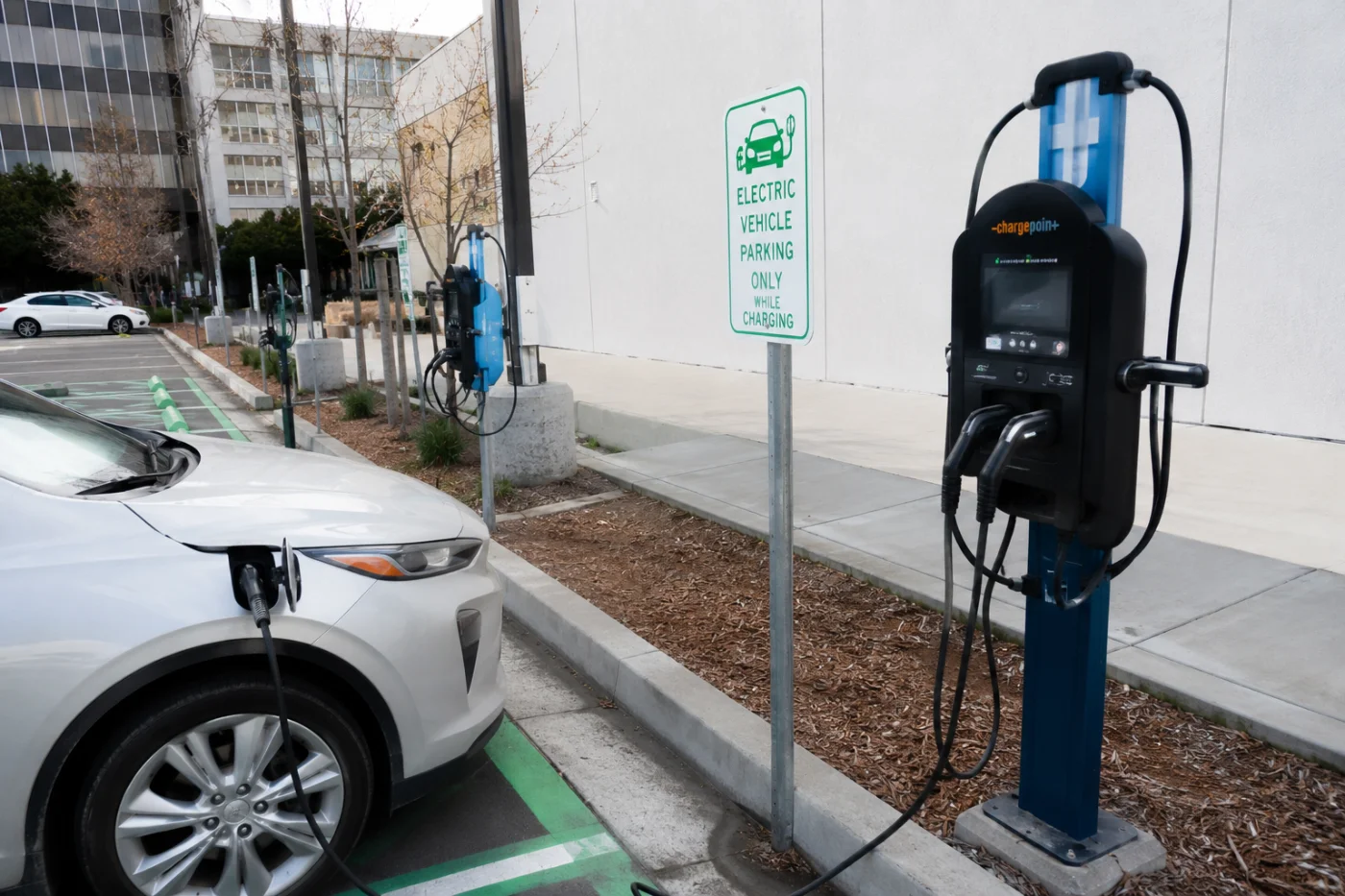
Portfolio EV Charging Strategy
Led an EV charging strategy across existing and future buildings — practical infrastructure upgrades, a corporate purchasing program, multiple grants, and coordinated deployment across North America. The result: charging added cost-effectively, future electrical risk reduced, and a former cost centre turned into a revenue-generating service.
A repeatable record of turning energy strategy into working systems.
Across North America, we have led energy infrastructure through the full project lifecycle — from the first feasibility question through business planning, approvals, design, construction, commissioning, operations, and expansion.
The projects have varied in scale, technology, ownership, and regulatory environment. The leadership challenge has stayed constant: align technical, commercial, regulatory, development, and operational requirements so a promising idea becomes a practical, buildable, and durable solution.
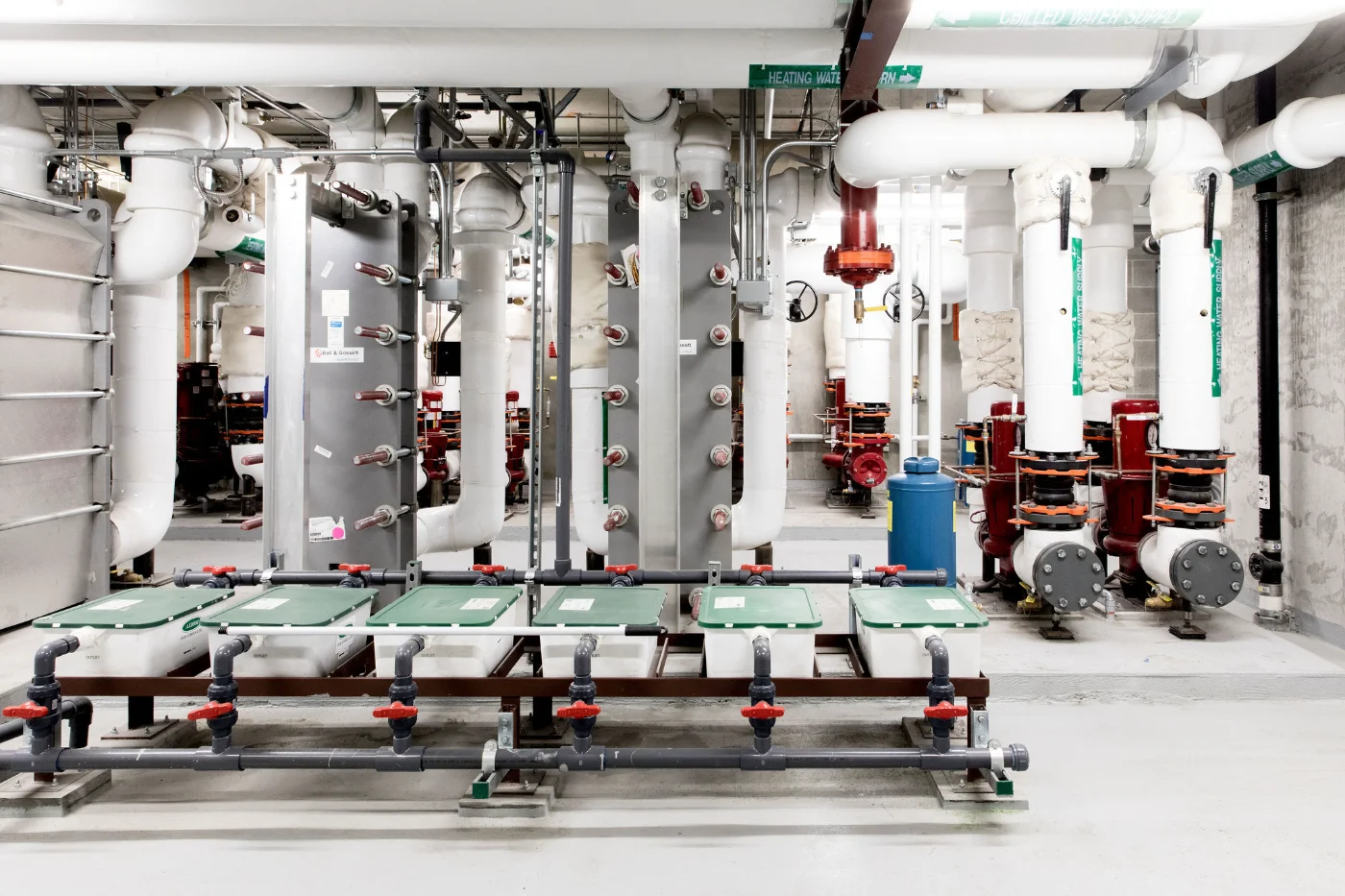
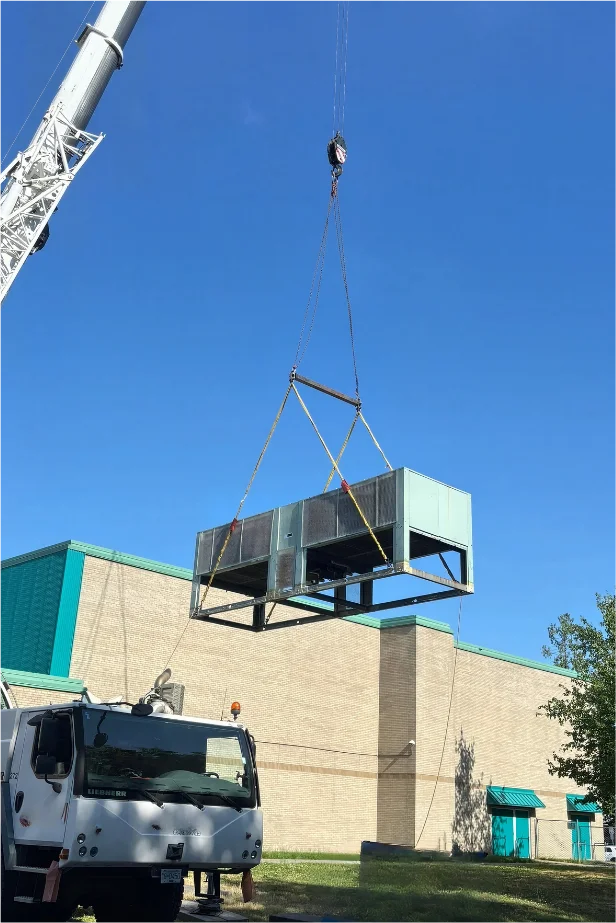
Owner-side leadership that carries projects from approval through delivery and into operation — keeping scope, schedule, budget, risk, and stakeholders aligned.
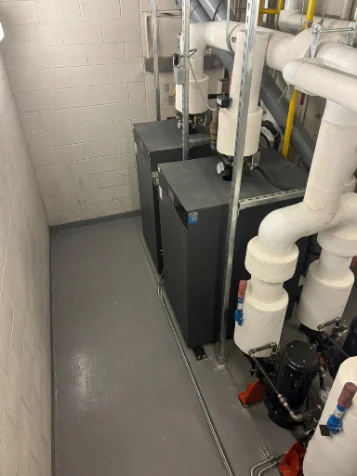
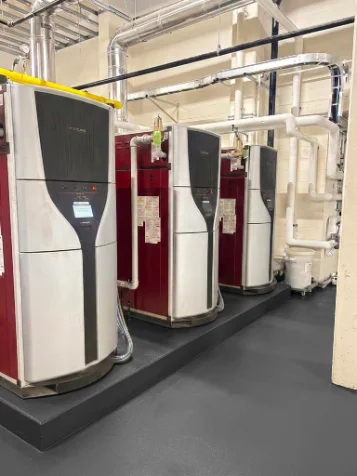
Project Management Services
Led complex mechanical, energy, and infrastructure projects from concept through construction, commissioning, and operation — keeping scope, budget, schedule, risk, and change aligned across owners, developers, utilities, consultants, and trades. Experienced in constrained environments where shutdowns, service continuity, existing-system interfaces, rigging, and phased construction demand careful planning.
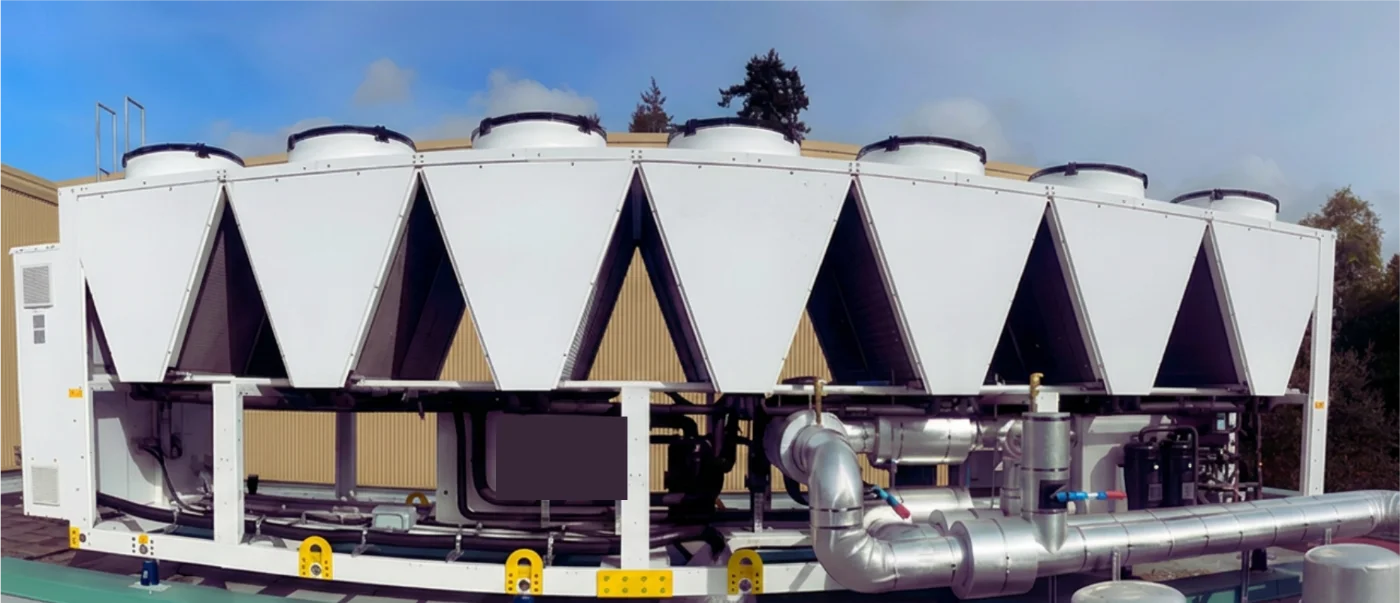 HEAT PUMPS
Building Electrification
Led air-source heat-pump electrification and controls retrofits across schools, high-rise residential, and mixed-use developments — cutting emissions and operating cost while keeping occupants comfortable and systems reliable.
Technology, controls, and data deployed to improve how systems operate and perform on energy — connecting construction to billing, reporting, and daily operations.
Controls Deployment (with OT)
Constructability and controls-focused reviews that improve delivery and long-term performance — assessing controls architecture, metering strategy, and system integration for reliable operation, optimization, and future flexibility. Developed and applied commissioning standards from design through operations handover, connecting controls, mechanical, and BAS systems into a coordinated, operable whole. Across a 46M sq ft real-estate portfolio, launched a unified BMS platform and data-analytics program, instituted energy benchmarking, and standardized design, commissioning, and procurement for consistent quality and remote management.
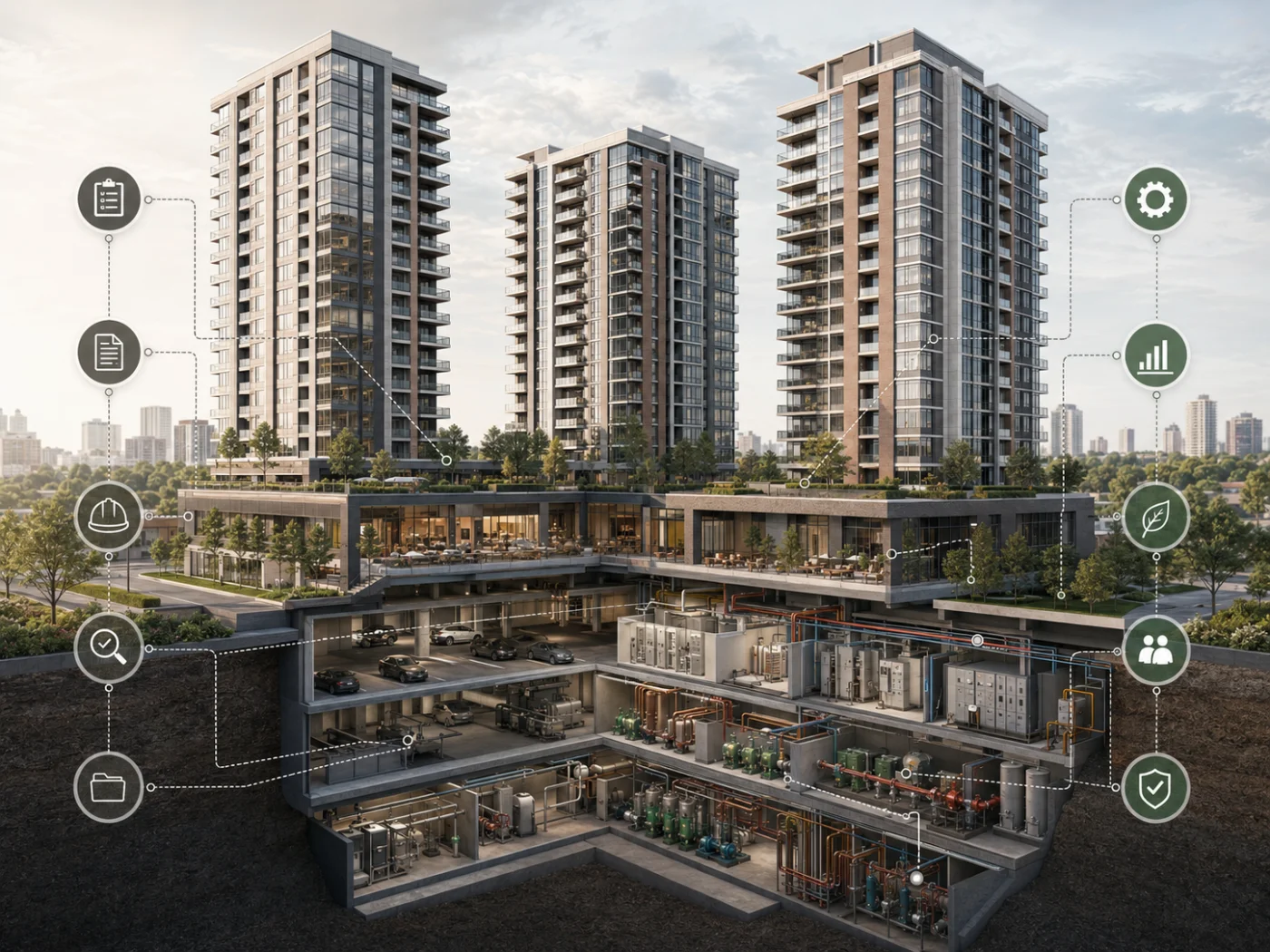
Asset Information Management Tool Deployment
Leading the owner-side deployment of an Asset Information Model for a major mixed-use development — three residential towers, a shared parkade, commercial space, district energy, building automation, metering, and core MEP systems. The work integrates project documents, asset data, field evidence, QA/QC, commissioning, and handover into an owner-controlled information structure — governance, data standards, contractor and consultant coordination, workflow integration, real-time as-built documentation, and coordinated work sequencing — field installation, logistics, commissioning, and verification — producing FM-ready asset information for long-term operations.
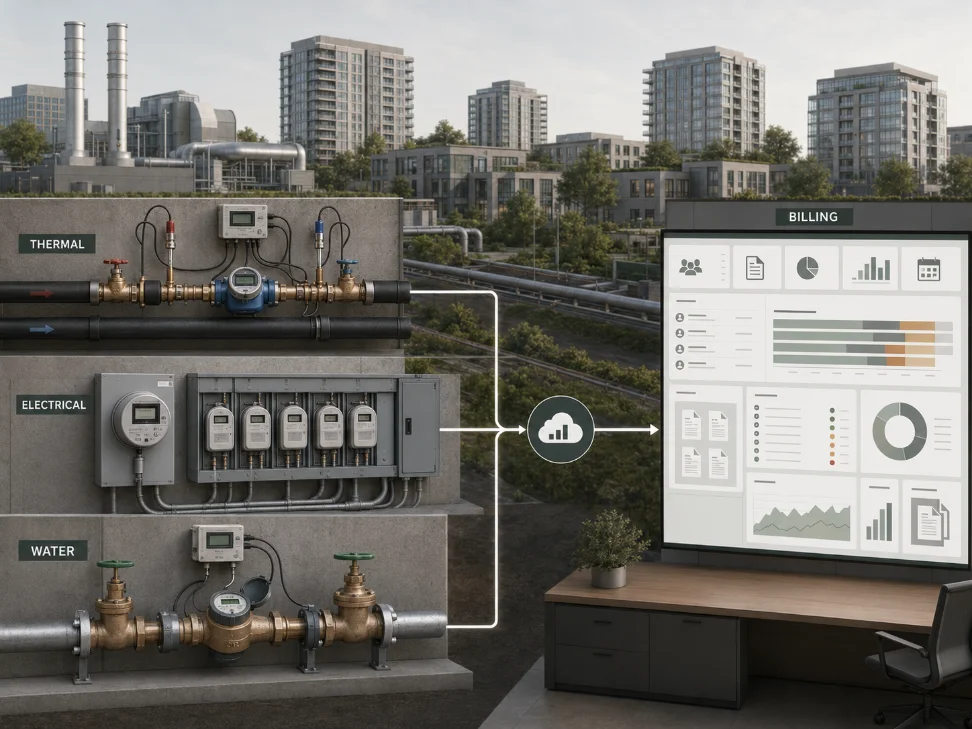
Metering, Billing & Utility Operations Integration
Implemented metering plans integrating ~100 thermal and electrical meters across district energy systems and mixed-use portfolios — connecting meter selection and installation to utility billing, tenant allocation, controls, and reporting. Built the district-energy billing back-office from the ground up — billing, accounts receivable/payable, procurement, and budgeting — and integrated real-time energy and water usage data for monitoring and cost allocation, including regulatory compliance as required.
Systems that operate as designed — and improve over time.
Led portfolio-wide energy and operational initiatives connecting capital planning, commissioning, controls, equipment upgrades, renewable energy, and building operations.
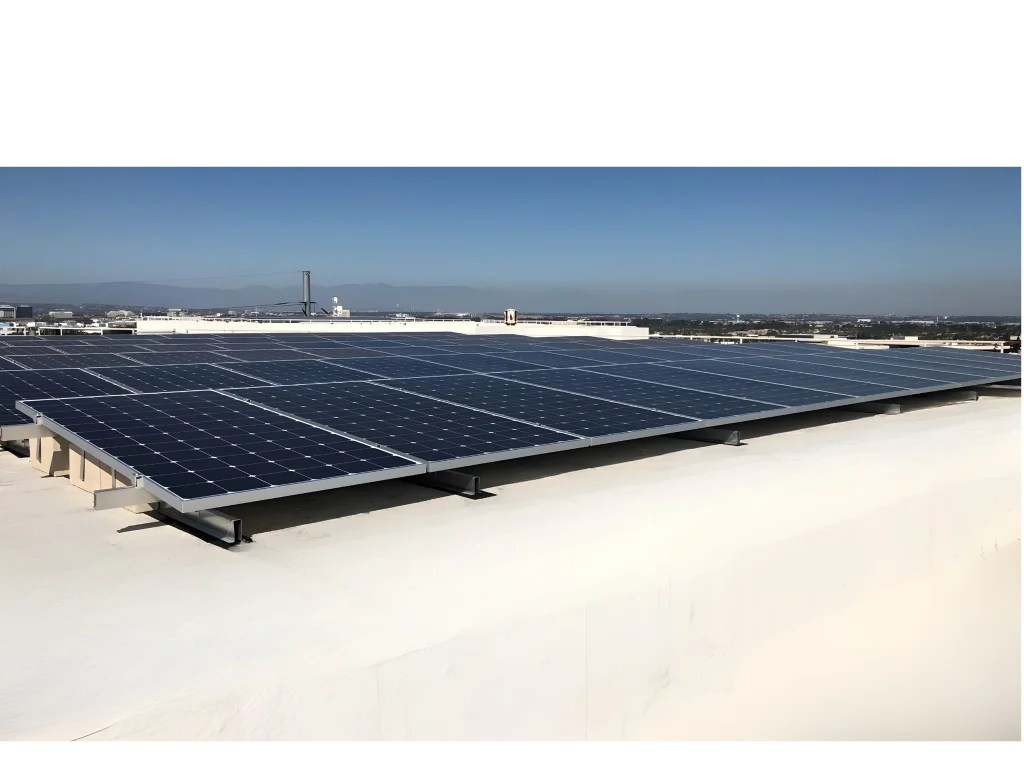
Projects where we established the operating structure needed for long-term performance.
Operating utility established
Built the team, controls, metering and billing that turned a delivered plant into a working utility — later providing daily operational coverage for a second system.
Controls & operational performance
Diagnosed and resolved recurring controls problems across operating buildings — tuning sequences, alarms and BAS integration so systems ran reliably, energy cost dropped and tenant comfort improved.
Programs that created repeatable value beyond a single building or project.
Sustainability strategy, ESG standards & in-house delivery
Built a sustainability strategy alongside ownership and the executive team — SDG, GRESB and GRI benchmarks to create an ESG program. Brought in technology partners so data analytics did real work: tracking metrics, surfacing cost savings, and opening decarbonization-driven revenue. Built an in-house sustainability and district-energy team to drive low-carbon delivery — including LEED Gold across multiple Vancouver buildings — guided development teams across North America to hit their energy and sustainability targets, gave finance the numbers lenders demand, and drove energy consumption down 15%.
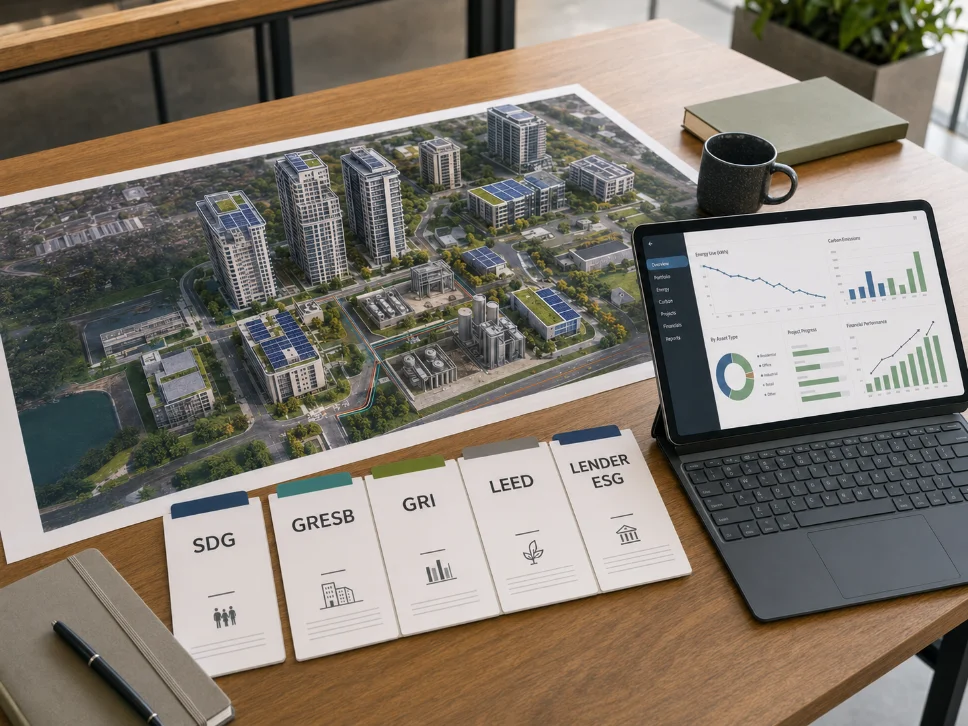
Portfolio-wide building & operations standards
Developed multiple standards — basis-of-design requirements, controls standards and commissioning standards — applied across the North American portfolio, leading to improved operations, cost reduction and energy efficiency.
Capital & operational-improvement programs
Five-year capital plans, reliability reviews, and operational-improvement programs that de-risk decisions across building and energy portfolios. Worked alongside property management teams to identify capital and energy-reduction projects — including securing grant funding.
Turning technical capability into credible, winning pursuits.
Led or materially supported more than 100 proposals, RFQs, RFPs, SOQs, and major infrastructure pursuits across energy, utilities, mechanical construction, water and wastewater, institutional infrastructure, and alternative-delivery projects.
Proposal & pursuit leadership
Capture strategy, partner and team development, technical and delivery narratives, pricing, and evaluation-aligned structure.
Corporate growth strategy
A three-year business-development strategy generated 10 new projects worth approximately $50M, within a broader infrastructure pipeline exceeding $200M pursued through corporate growth.
Acquisition & Technical Due Diligence
Translated asset condition, performance, and capital risk into the commercial questions behind acquisitions — from a California biomass plant to multi-asset real estate portfolios.
From strategy through delivery across 10 communities.
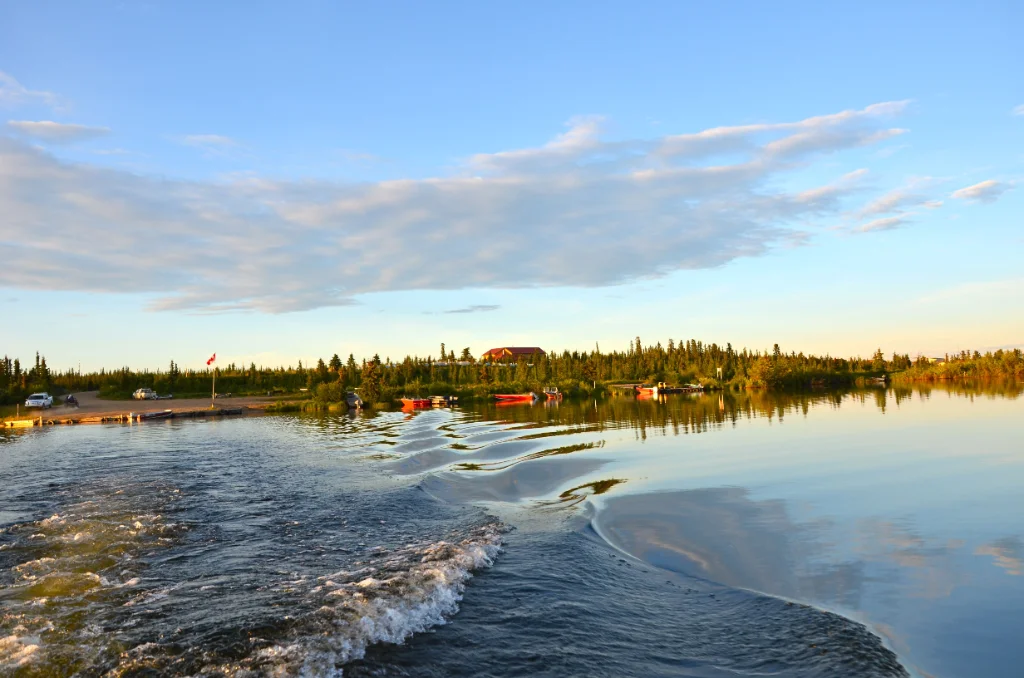
Supported project development and delivery of 10 infrastructure plants serving 10 Indigenous communities across Northern Canada — connecting alternative-delivery strategy, partnerships, and proposals with remote coordination, logistics, implementation, and local operating needs.
Two district energy utilities, taken from a blank page to daily operation.
Same lifecycle, two regulatory worlds — Vancouver regulated, Seattle market-based. Each one led from the first feasibility question through business case, approvals, rate design, construction, and commissioning, and into a running utility that bills its own customers.
Cambie Corridor District Energy
Plan. Led the corridor-wide district energy study for the City of Vancouver. A continuous network proved infeasible, so the strategy concentrated shared infrastructure at high-density nodes and building-level systems elsewhere.
Deliver. As DE lead for the node developer, took one hub from feasibility through design and construction — establishing the central plant and distribution, leading rate design and BCUC Stream A approval, and hitting a 4 t/m²·yr low-carbon target.
Perform. Set commissioning to tune operations as tenants moved in and the building loaded up, configured the plant for remote monitoring by an off-site team, and built the metering and technology to bill customers directly — no third party.
Grow. Built as a scalable platform — additional parcels now connecting to the shared system, expanding exactly as originally planned.
Seattle District Energy
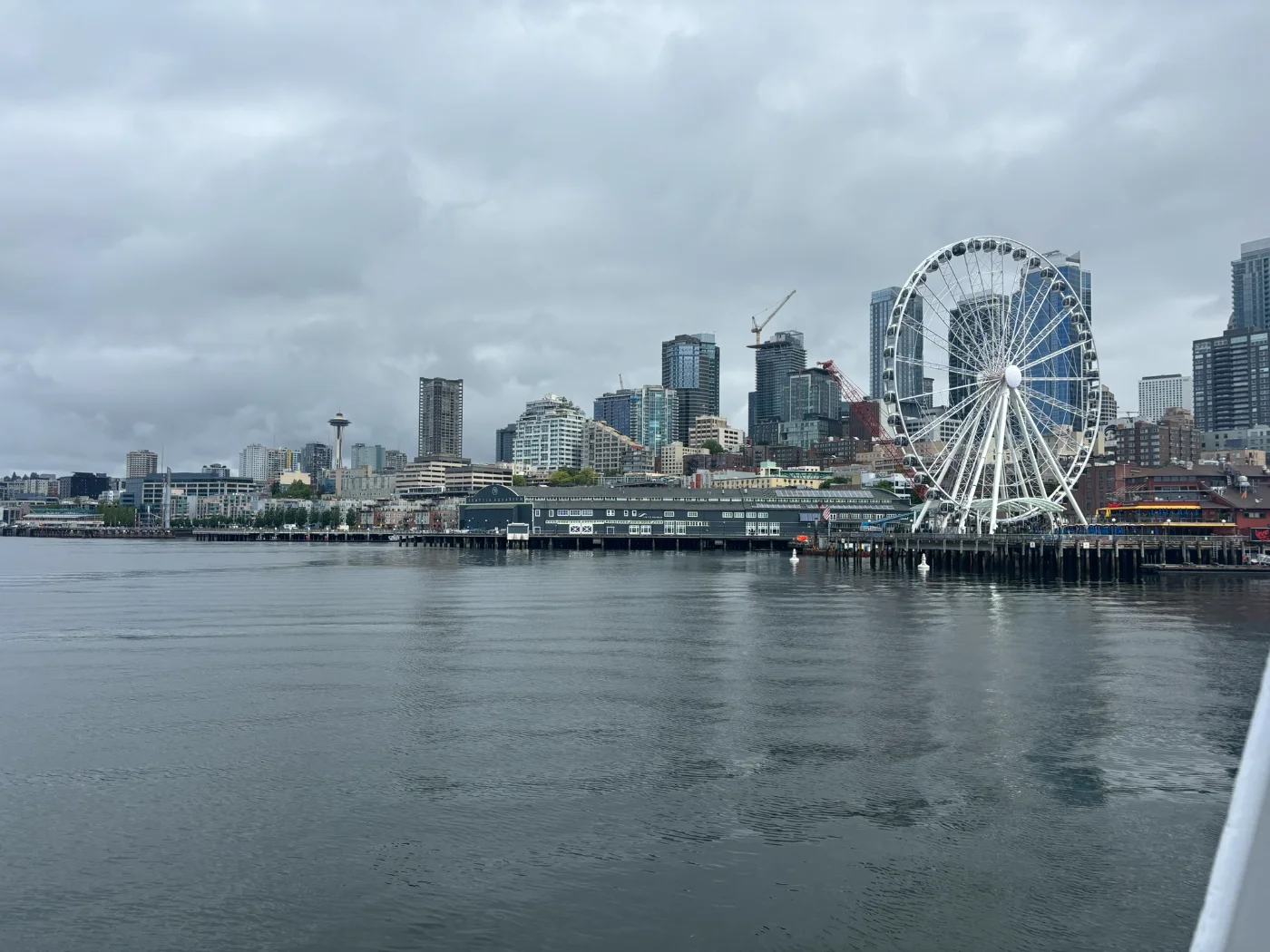
Plan. Led an investment-grade feasibility study for the City of Seattle — loads, anchor customers, low-carbon and waste-heat sources, and the utility business model.
Deliver. As DE lead for the neighbourhood's largest developer, built it — a central plant integrated with three anchor buildings across ~1.7M sq ft, sized to expand.
Perform. Built the operating utility end to end: team, procedures, controls, metering, and billing. Worked closely with the property management team to optimize the rate for tenants — the buildings were rental — and with legal to develop the terms for all necessary agreements. Built the team and systems to operate the building.
Grow. Designed to reach beyond the three anchors — sized to serve other neighbourhood buildings and to connect future waste-energy sources as they became viable.
Confidential engagements, told as challenge, approach, and outcome.
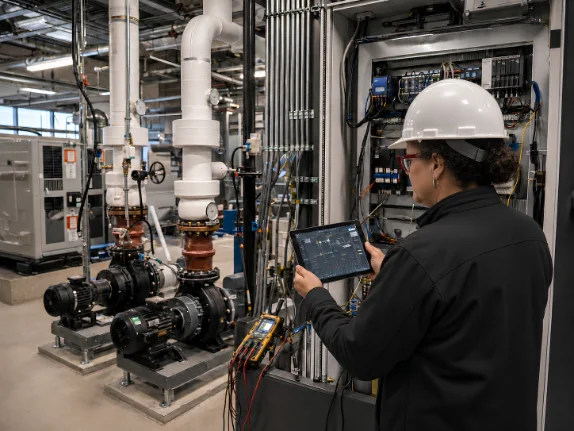
A hotel operator faced high energy use and persistent guest discomfort across its rooms. Troubleshooting traced the root cause to ineffective guest-room thermostats — a problem no amount of retuning the existing controls could fully resolve.
Went beyond process to technology selection — testing alternate thermostat and controls solutions to find what actually held up in operation, then identified, negotiated and replaced thermostats across 300+ guest rooms, backed by a standardised commissioning process.
Guest comfort improved and energy use dropped — and, watching the results hold up over time, the operator rolled the same thermostat and controls solution out across its full US portfolio and into residential projects, leaving a repeatable commissioning-and-technology standard embedded across North American operations.
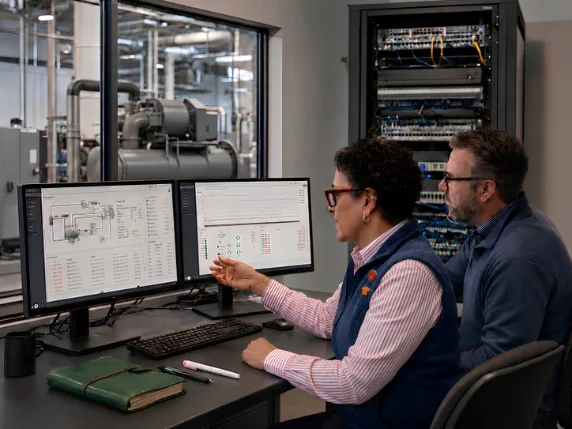
A developer operating 12+ buildings faced reliability issues, inability to access systems remotely, poor reporting visibility, and rising operational costs. Building controls (OT) operated in isolation from the corporate IT network, creating security and efficiency gaps.
Working collaboratively with the client's IT team, integrated building operational technology onto the building-wide network. Addressed reliability issues across the portfolio and established remote access and improved reporting infrastructure.
Improved system reliability, enhanced security, reduced operational costs, and efficiency gains across 12+ buildings. At one site with 50+ billing meters, the integrated approach — using virtual servers — sharply improved meter reliability and, with it, billing success: customers were billed the right amount.
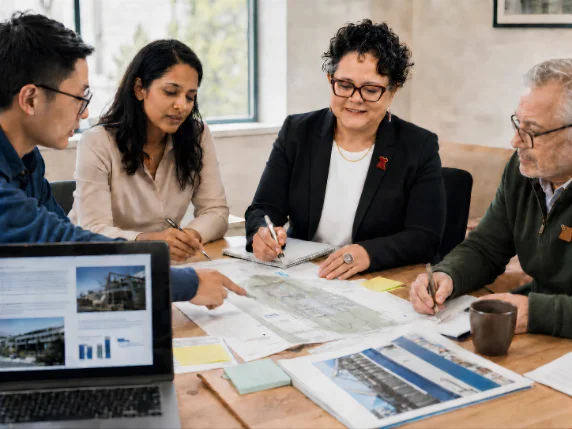
Proposal content and marketing collateral were dated and inconsistent — project sheets, infographics, and reusable files no longer reflected current capability or told a compelling, evaluation-aligned story.
Overhauled the proposal marketing collateral — rebuilding project profiles and project files, developing infographics and visual content, and organizing a reusable library teams could assemble quickly into pursuit-specific responses. Applied Lean methods to streamline production across delivery models.
Sharper, more consistent proposals that were faster to produce and better aligned to evaluation criteria — supporting an approximately 70% historical success rate.
Bring clarity to your next project.
Whether you are exploring an opportunity, reviewing a proposal, or moving a project into delivery, Li Troo Doo can help define the path forward.
Every project starts with a conversation.
Whether you have a feasibility study that needs to move forward, a project that needs an integration lead, or a community exploring what low-carbon energy could look like — get in touch.
Founder & Principal, Li Troo Doo — low-carbon & district energy infrastructure across North America.
Notes on low-carbon energy.
Perspectives on district energy, project delivery, and Indigenous energy sovereignty — short reflections drawn from the work. New pieces are on the way.
New pieces on district energy, project delivery, and Indigenous energy sovereignty are on the way.